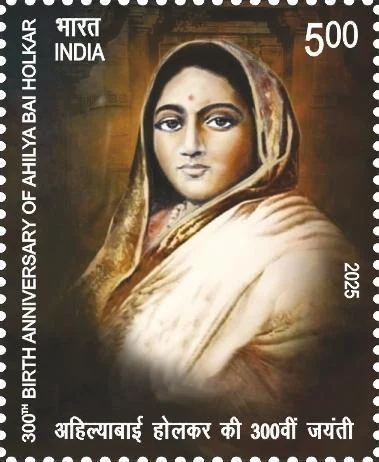
Queen · restorer · public patron
Ahilyabai Holkar
1725–1795 AD
From her court at Maheshwar, she supported sacred places and public works far beyond the territory she governed.
2 stories
✳ AN ATLAS OF CULTURAL MEMORY
Meet the people who protected,
rescued and rebuilt India’s heritage.
Rulers and merchants. Scholars and custodians. Follow their lives across today’s state borders, and discover the places—and communities—they helped sustain.
Explore the peopleGuardians of India’s Heritage
31 people27 preservation stories4 living traditionsMANY LIVES. A SHARED INHERITANCE.
Queen · restorer · public patron
1725–1795 AD
From her court at Maheshwar, she supported sacred places and public works far beyond the territory she governed.
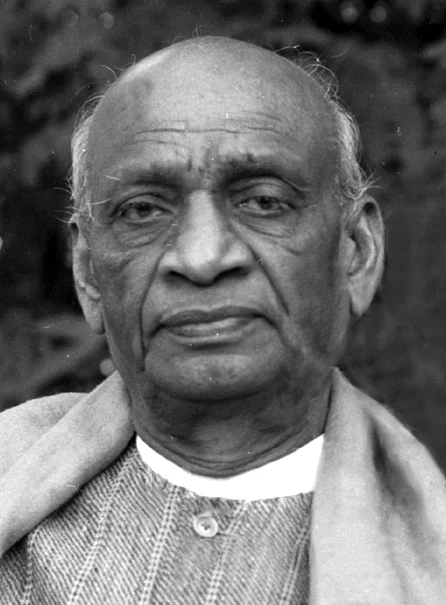
Statesman · organiser
1875–1950 AD
Remembered for political integration, Patel also set the post-independence rebuilding of Somnath in motion.
Writer · organiser
1887–1971 AD
Helped turn the Somnath rebuilding proposal into a continuing institutional project.
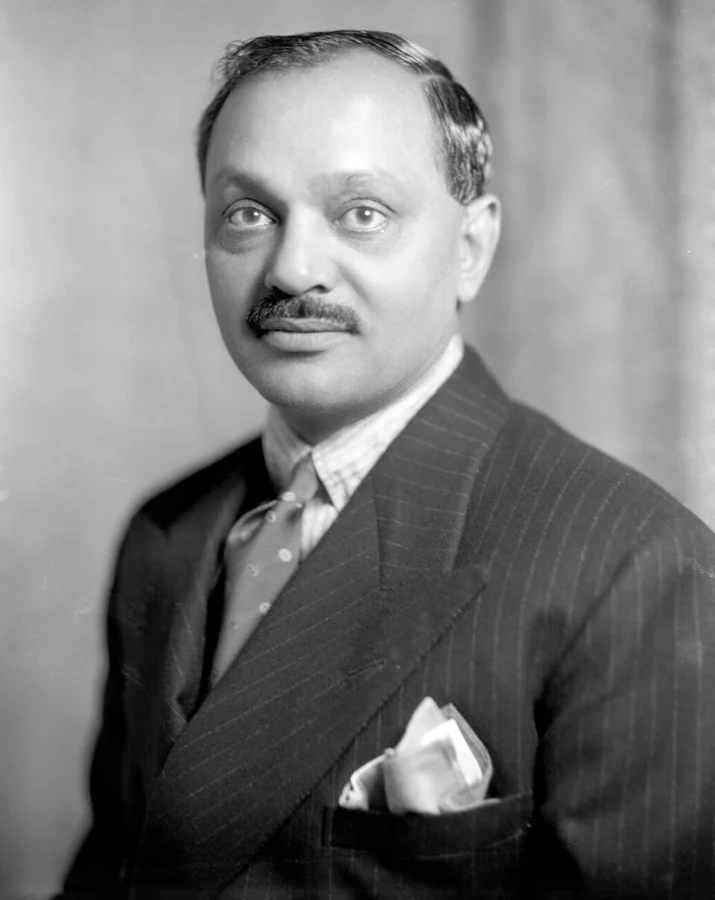
Ruler · trustee
1895–1966 AD
Supported the modern Somnath temple and laid its foundation stone in 1950 AD.
Commander · restorer
Active 14th century AD
Associated with the return of Ranganatha’s processional image to Srirangam.
Prince · military commander
Died 1374 AD
Vijayanagara’s southern campaigns formed the setting for the renewal at Srirangam.
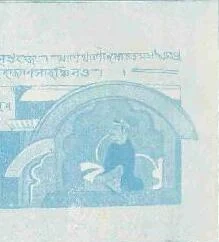
Koch ruler · patron
Died 1587 AD
The Koch reconstruction of Kamakhya links royal patronage to one of Assam’s central sacred sites.
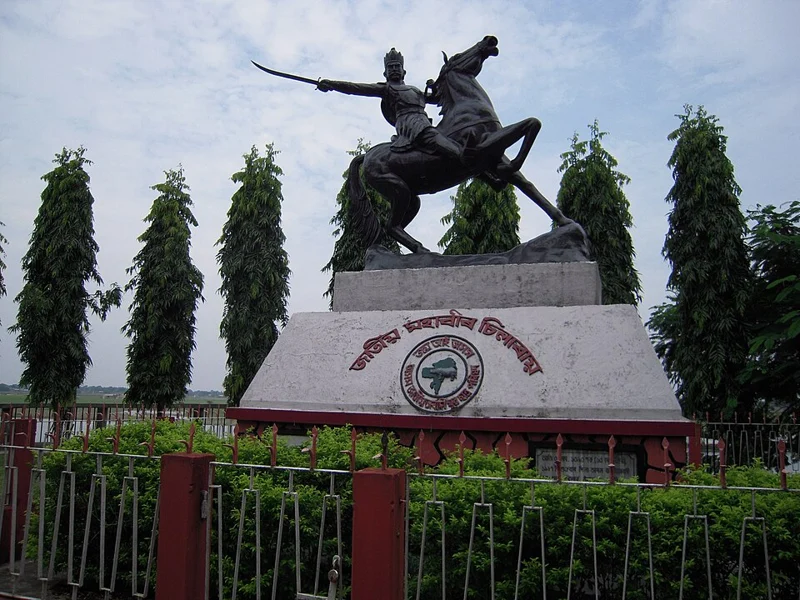
Commander · royal collaborator
1510–1571 AD
Remembered with his brother Nara Narayan in the rebuilding of Kamakhya.
Chudasama ruler · restorer
Reigned 1308–1331 AD
A medieval Somnath rebuilding is attributed to this ruler of Saurashtra.
Chudasama ruler · patron
Active 14th century AD
Associated with installing a linga at the rebuilt Somnath shrine.
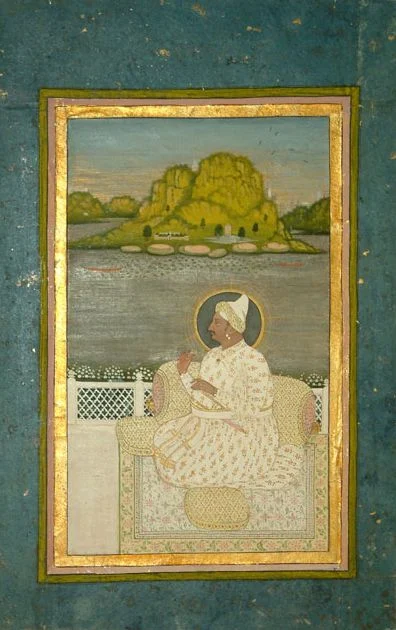
Administrator · patron
Died 1589 AD
Backed a sixteenth-century reconstruction of Vishvanatha at Kashi.
Scholar · organiser
Active 16th century AD
A Kashi scholar associated with organising the Vishvanatha reconstruction supported by Todar Mal.
Khurda ruler · restorer
Active late 16th–early 17th century AD
Re-established the images and worship of Jagannath at Puri after the sixteenth-century crisis.
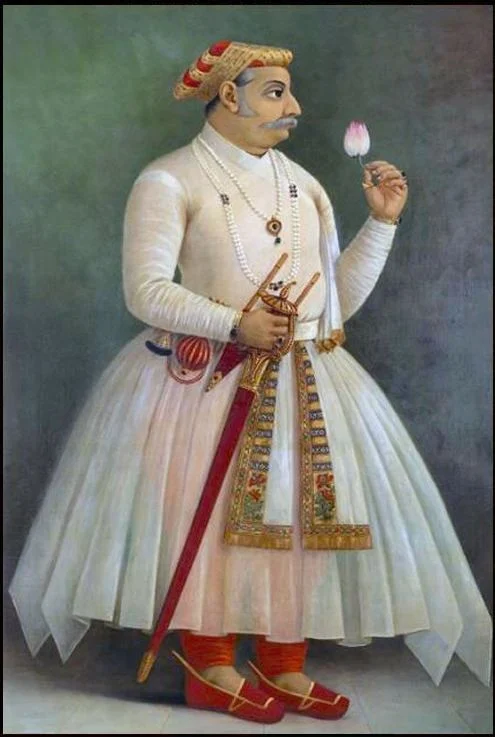
Mewar ruler · protector
1629–1680 AD
Offered a secure home in Mewar to the displaced Shrinathji image.
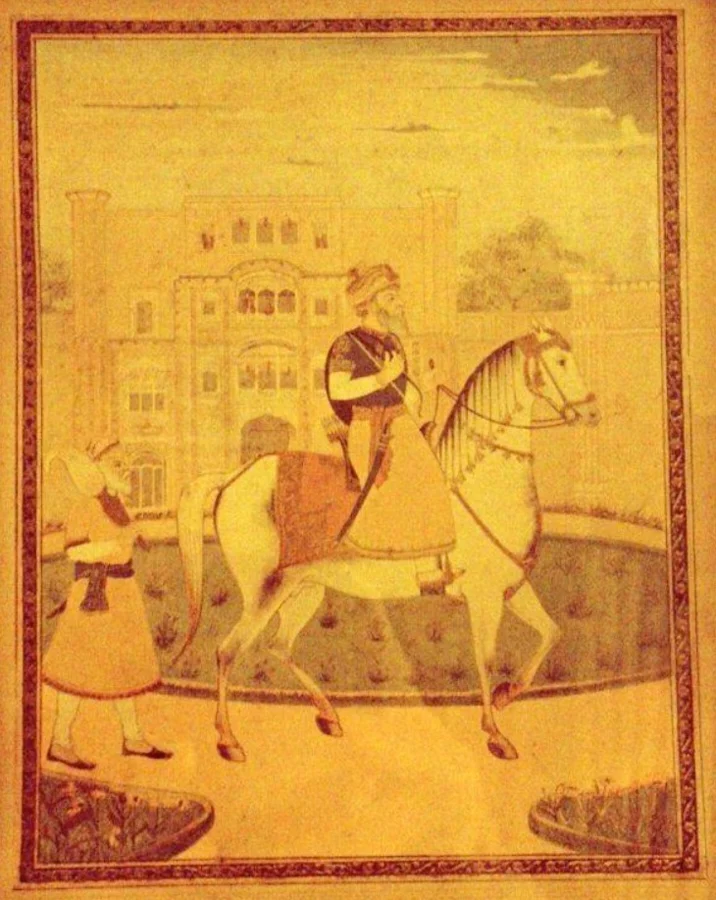
Sikh leader · organiser
1718–1783 AD
Helped organise collective support to rebuild Harmandir Sahib after repeated eighteenth-century destruction.
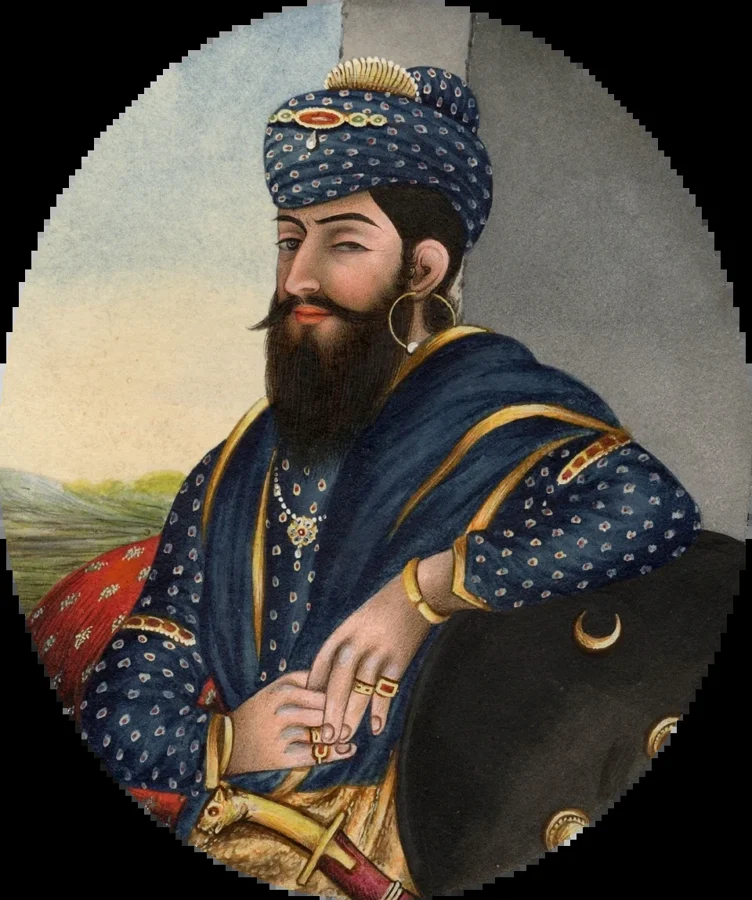
Ruler · patron
1780–1839 AD
Supported the marble and gilded form of Harmandir Sahib and contributed to Kashi Vishwanath.
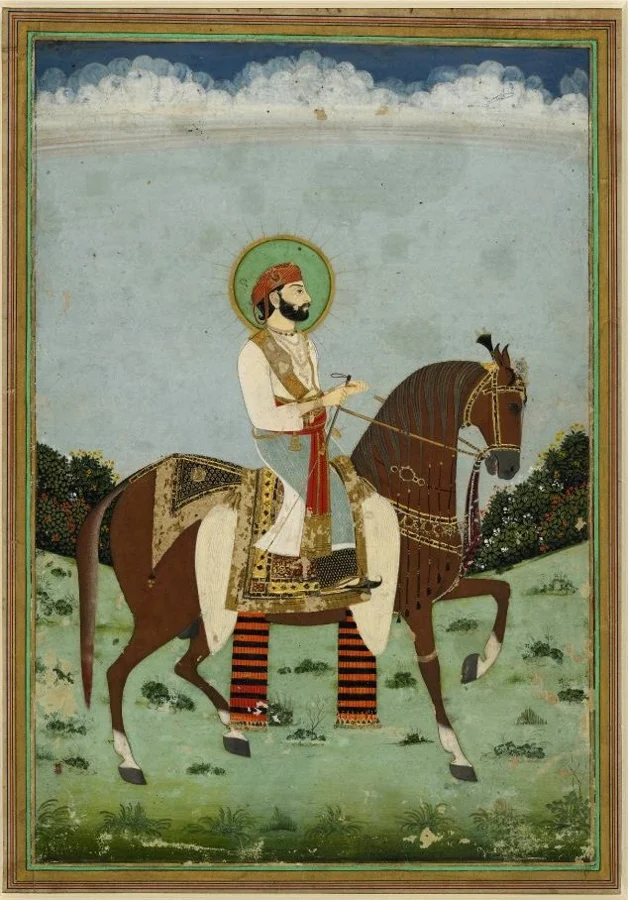
Ruler · city builder
1688–1743 AD
Made Jaipur a lasting home for the Govind Dev Ji image from Vrindavan.
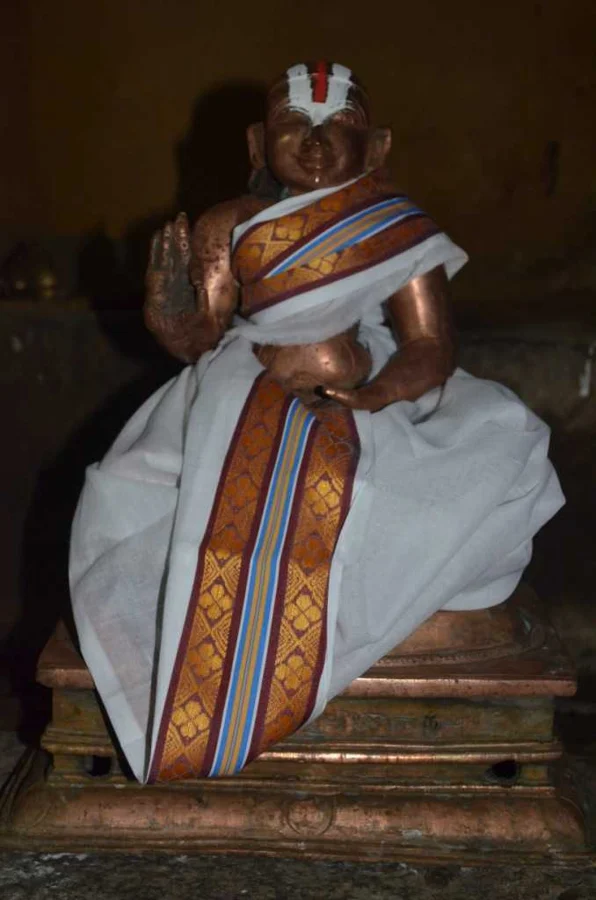
Teacher · remembered rescuer
Medieval period; dates debated
Sri Vaishnava tradition remembers him protecting Ranganatha’s processional image during an invasion.
Philosopher · manuscript custodian
c. 1269–1370 AD
Remembered for preserving a theological manuscript and a scholarly lineage during the Srirangam crisis.
Devotee · remembered custodian
Active 16th century AD
Jagannath tradition credits him with preserving the sacred Brahma substance through the crisis of 1568 AD.
Jalore ruler · remembered defender
Reigned c. 1292–1311 AD
A later poem connects him with an attempted recovery of sacred objects taken from Somnath.
Merchant · legal advocate
1584–1659 AD
Pursued imperial restitution after the conversion of his Jain temple at Ahmedabad.
Merchant · restoration patron
Active 16th century AD
Named in the inscription-based history of Shatrunjaya’s sixteenth-century restoration.
Jain patron · restorer
Active 13th century AD
Associated with repairs at Shatrunjaya in 1278 AD.
Jain patron · restorer
Active 14th century AD
Associated with a Shatrunjaya restoration in 1315 AD.
Jain patron · restorer
Active 16th century AD
Named in Shatrunjaya’s inscription-based restoration chronology for 1594 AD.
Buddhist revivalist · organiser
1864–1933 AD
Campaigned to renew Buddhist worship and participation in the custody of Bodhgaya.
Archaeologist · survey organiser
1814–1893 AD
Directed archaeological work at Bodhgaya during a transformative, and debated, restoration period.
Engineer · archaeological photographer
1845–1907 AD
His photographs preserve evidence of Mahabodhi before major rebuilding.
Ruler · restoration patron
1630–1680 AD
Commissioned the rebuilding of Saptakoteshwar at Narve in Goa.
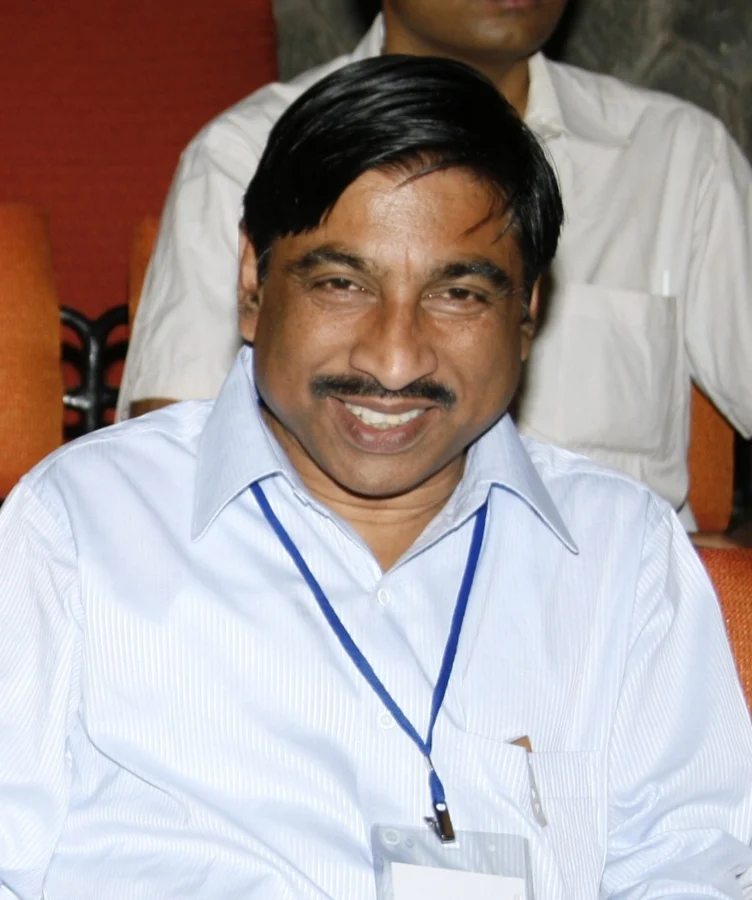
Archaeologist · conservator
Born 1952 AD
Led an ASI team in reassembling collapsed temples at Bateshwar in Madhya Pradesh.
Try fewer filters, or open the state research page to see what still needs investigating.
READ THE STORY. FOLLOW THE EVIDENCE.
Some rebuilt structures. Others carried an image into refuge, protected a manuscript, negotiated legal restitution, or renewed worship. Each contribution explains what happened, who helped, and what the sources can establish.
How this collection is researched ↗Queen · restorer · public patron
1725–1795 AD
From her court at Maheshwar, she supported sacred places and public works far beyond the territory she governed.
1780 AD · Rebuilding
Ahilyabai commissioned the temple recognised in the official Kashi account as the present Vishwanath shrine.
This does not mean that the demolished seventeenth-century structure survives unchanged.
1780s AD · Rebuilding
Ahilyabai supported a shrine near the earlier Somnath site.
Sources vary on the exact year; a decade is used. The marker locates the precinct, not the shrine’s exact footprint.
Statesman · organiser
1875–1950 AD
Remembered for political integration, Patel also set the post-independence rebuilding of Somnath in motion.
1947–1951 AD; later building phases · Rebuilding
A public reconstruction campaign followed Patel’s visit in November 1947 AD. Digvijaysinhji laid the foundation on 8 May 1950 AD; consecration followed on 11 May 1951 AD.
Patel died in 1950 AD. Consecration was not the completion of every part of the building; accounts disagree on the November visit’s day.
Writer · organiser
1887–1971 AD
Helped turn the Somnath rebuilding proposal into a continuing institutional project.
1947–1951 AD; later building phases · Rebuilding
A public reconstruction campaign followed Patel’s visit in November 1947 AD. Digvijaysinhji laid the foundation on 8 May 1950 AD; consecration followed on 11 May 1951 AD.
Patel died in 1950 AD. Consecration was not the completion of every part of the building; accounts disagree on the November visit’s day.
Ruler · trustee
1895–1966 AD
Supported the modern Somnath temple and laid its foundation stone in 1950 AD.
1947–1951 AD; later building phases · Rebuilding
A public reconstruction campaign followed Patel’s visit in November 1947 AD. Digvijaysinhji laid the foundation on 8 May 1950 AD; consecration followed on 11 May 1951 AD.
Patel died in 1950 AD. Consecration was not the completion of every part of the building; accounts disagree on the November visit’s day.
Commander · restorer
Active 14th century AD
Associated with the return of Ranganatha’s processional image to Srirangam.
1371–1372 AD · Revival of worship
The inscription account credits Gopanna with bringing the displaced image back through Gingee.
The account is tied to an inscription dated Saka 1293; this edition uses its AD year range and does not claim a new translation.
Prince · military commander
Died 1374 AD
Vijayanagara’s southern campaigns formed the setting for the renewal at Srirangam.
1371–1372 AD · Revival of worship
The inscription account credits Gopanna with bringing the displaced image back through Gingee.
The account is tied to an inscription dated Saka 1293; this edition uses its AD year range and does not claim a new translation.
Koch ruler · patron
Died 1587 AD
The Koch reconstruction of Kamakhya links royal patronage to one of Assam’s central sacred sites.
1565 AD · Rebuilding
The Koch rulers supported the reconstruction associated with the surviving temple.
Earlier damage chronology is inconsistent across summaries. A 1565 AD rebuilding cannot be explained as following a 1568 AD attack.
Commander · royal collaborator
1510–1571 AD
Remembered with his brother Nara Narayan in the rebuilding of Kamakhya.
1565 AD · Rebuilding
The Koch rulers supported the reconstruction associated with the surviving temple.
Earlier damage chronology is inconsistent across summaries. A 1565 AD rebuilding cannot be explained as following a 1568 AD attack.
Chudasama ruler · restorer
Reigned 1308–1331 AD
A medieval Somnath rebuilding is attributed to this ruler of Saurashtra.
1308 AD · Rebuilding
District history attributes a rebuilding to Mahipala I after the earlier sack.
The present temple is a later structure. The underlying medieval evidence has not been independently re-edited.
Chudasama ruler · patron
Active 14th century AD
Associated with installing a linga at the rebuilt Somnath shrine.
Between 1331 and 1351 AD · Revival of worship
Khengara is associated with installing the linga following his father’s rebuilding.
The source provides a range, not an exact installation date.
Administrator · patron
Died 1589 AD
Backed a sixteenth-century reconstruction of Vishvanatha at Kashi.
c. 1585–1590 AD · Rebuilding
Heritage scholarship associates Narayana Bhatta and Todar Mal with a sixteenth-century reconstruction.
Dates and the allocation of credit vary. This building is not the present eighteenth-century temple.
Scholar · organiser
Active 16th century AD
A Kashi scholar associated with organising the Vishvanatha reconstruction supported by Todar Mal.
c. 1585–1590 AD · Rebuilding
Heritage scholarship associates Narayana Bhatta and Todar Mal with a sixteenth-century reconstruction.
Dates and the allocation of credit vary. This building is not the present eighteenth-century temple.
Khurda ruler · restorer
Active late 16th–early 17th century AD
Re-established the images and worship of Jagannath at Puri after the sixteenth-century crisis.
c. 1575 AD · Revival of worship
The king sponsored renewed images and the re-establishment of ritual service.
The year follows the consulted history; exact ritual-date conversion and some chronology remain debated.
Mewar ruler · protector
1629–1680 AD
Offered a secure home in Mewar to the displaced Shrinathji image.
1672 AD · Sanctuary & rescue
Mewar provided a permanent home for Shrinathji after the image left Govardhan.
This is protection of a displaced image and community, not rebuilding the original Govardhan temple on its original site.
Sikh leader · organiser
1718–1783 AD
Helped organise collective support to rebuild Harmandir Sahib after repeated eighteenth-century destruction.
1764 AD onward · Rebuilding
Sikh leaders and communities organised rebuilding after repeated damage.
Repeated destruction and repair cannot be reduced to a single uninterrupted building campaign.
Ruler · patron
1780–1839 AD
Supported the marble and gilded form of Harmandir Sahib and contributed to Kashi Vishwanath.
Early 19th century AD · Conservation
Ranjit Singh supported the temple’s marble and gilded architectural treatment.
This followed the eighteenth-century rebuilding; he was not its sole or first restorer.
1839 AD · Conservation
The official Kashi account credits Ranjit Singh’s donation for gilding two domes.
This was embellishment of Ahilyabai’s temple, not a separate rebuilding after a new destruction.
Ruler · city builder
1688–1743 AD
Made Jaipur a lasting home for the Govind Dev Ji image from Vrindavan.
Early 18th century AD · Sanctuary & rescue
Jai Singh’s Jaipur provided a home for the Govind Dev Ji image from Vrindavan.
The broad date avoids conflating intermediate moves, the temple’s establishment and the founding of Jaipur.
Teacher · remembered rescuer
Medieval period; dates debated
Sri Vaishnava tradition remembers him protecting Ranganatha’s processional image during an invasion.
Early 14th century AD; chronology debated · Sanctuary & rescue
Community histories remember Lokacharya leading the processional image away from danger.
Raid dates and traditional lifespans conflict. No exact rescue date or fully reconstructed route is asserted.
Philosopher · manuscript custodian
c. 1269–1370 AD
Remembered for preserving a theological manuscript and a scholarly lineage during the Srirangam crisis.
Early 14th century AD · Sanctuary & rescue
Desika is remembered for safeguarding the Srutaprakasika and Sudarshana Suri’s children.
This is a later religious biography. Conflicting attack dates and names are not harmonised into a precise event.
Devotee · remembered custodian
Active 16th century AD
Jagannath tradition credits him with preserving the sacred Brahma substance through the crisis of 1568 AD.
1568 AD and the following years · Sanctuary & rescue
Bisara is remembered for saving the sacred Brahma substance after the destruction of the wooden images.
The object’s sacred identity is a religious claim; an unbroken physical provenance is not demonstrated here.
Jalore ruler · remembered defender
Reigned c. 1292–1311 AD
A later poem connects him with an attempted recovery of sacred objects taken from Somnath.
Events placed in 1299 AD; poem of 1455 AD · Sanctuary & rescue
The Kanhadade Prabandha tells of recovering sacred objects from a returning army.
The poem was written roughly a century and a half later. The participation of Jalore’s forces and the rescue’s outcome remain contested.
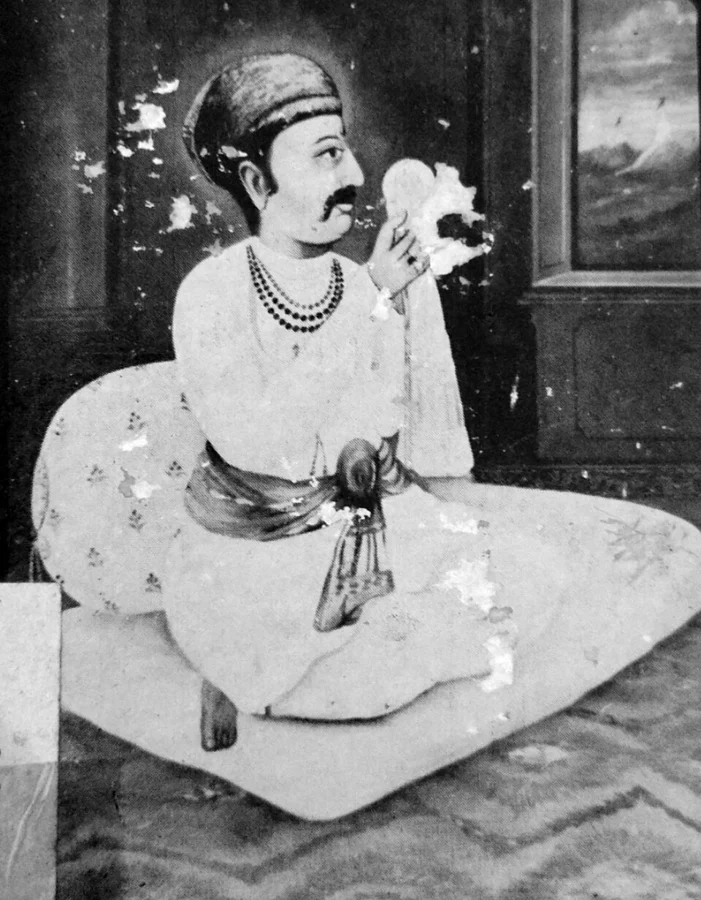
Merchant · legal advocate
1584–1659 AD
Pursued imperial restitution after the conversion of his Jain temple at Ahmedabad.
3 July 1648 AD · Legal protection
Shantidas sought the return of temple property after its conversion under Aurangzeb’s governorship.
The scan is identified, but its Persian text has not been independently translated. Restitution is not equivalent to successful religious restoration.
Merchant · restoration patron
Active 16th century AD
Named in the inscription-based history of Shatrunjaya’s sixteenth-century restoration.
1531 AD · Rebuilding
The published survey records a restoration associated with Karmashah.
The source distinguishes literary records from inscriptions; no total of rebuilt temples is inferred.
Jain patron · restorer
Active 13th century AD
Associated with repairs at Shatrunjaya in 1278 AD.
1278 AD · Rebuilding
The published survey records a restoration associated with Pethada.
The source distinguishes literary records from inscriptions; no total of rebuilt temples is inferred.
Jain patron · restorer
Active 14th century AD
Associated with a Shatrunjaya restoration in 1315 AD.
1315 AD · Rebuilding
The published survey records a restoration associated with Samara Shah.
The source distinguishes literary records from inscriptions; no total of rebuilt temples is inferred.
Jain patron · restorer
Active 16th century AD
Named in Shatrunjaya’s inscription-based restoration chronology for 1594 AD.
1594 AD · Rebuilding
The published survey records a restoration associated with Tejpal Soni.
The source distinguishes literary records from inscriptions; no total of rebuilt temples is inferred.
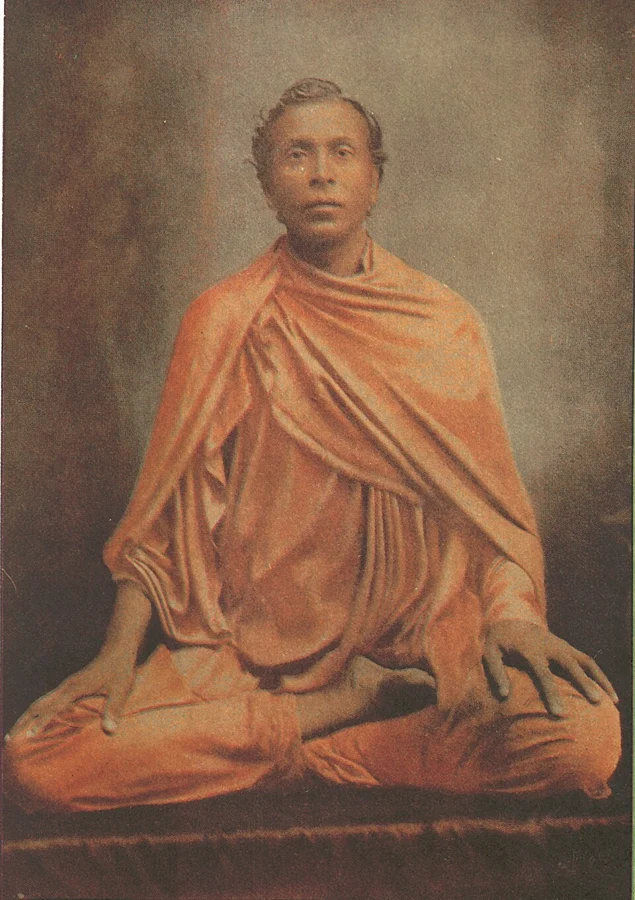
Buddhist revivalist · organiser
1864–1933 AD
Campaigned to renew Buddhist worship and participation in the custody of Bodhgaya.
1891–1933 AD · Revival of worship
Dharmapala campaigned for renewed Buddhist worship and a role in the custody of the temple.
He did not carry out the earlier nineteenth-century structural restoration, and the campaign’s goals were not all achieved during his life.
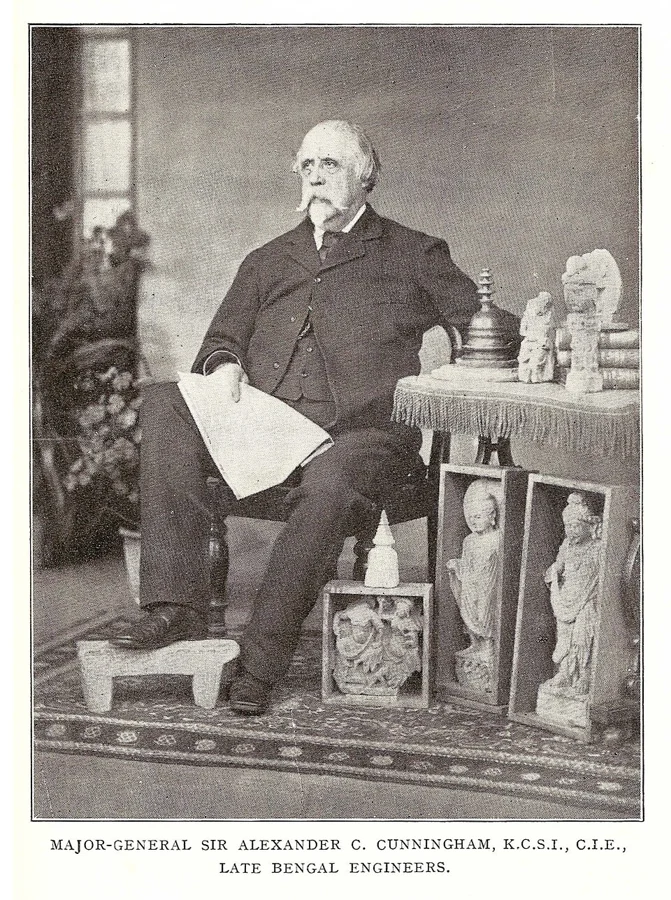
Archaeologist · survey organiser
1814–1893 AD
Directed archaeological work at Bodhgaya during a transformative, and debated, restoration period.
1870s–1880s AD · Conservation
Excavation and restoration changed the temple and its precinct; photographs preserve evidence of its earlier state.
Colonial restoration choices are debated. Recording a contribution does not imply that every alteration preserved historical authenticity.
Engineer · archaeological photographer
1845–1907 AD
His photographs preserve evidence of Mahabodhi before major rebuilding.
1870s–1880s AD · Conservation
Excavation and restoration changed the temple and its precinct; photographs preserve evidence of its earlier state.
Colonial restoration choices are debated. Recording a contribution does not imply that every alteration preserved historical authenticity.
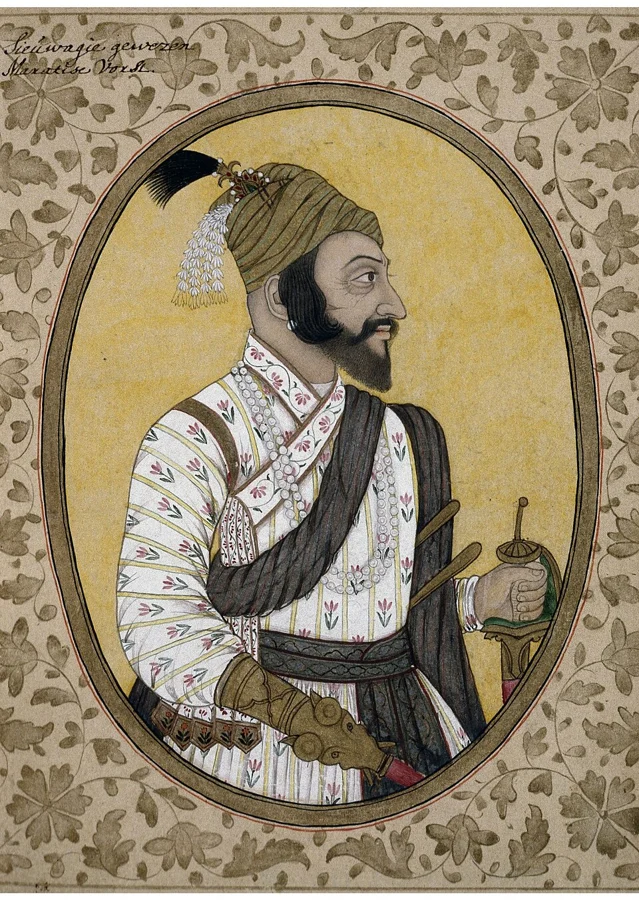
Ruler · restoration patron
1630–1680 AD
Commissioned the rebuilding of Saptakoteshwar at Narve in Goa.
1668 AD · Rebuilding
Shivaji commissioned rebuilding at the shrine’s relocated home in Narve.
The official account cites an entrance inscription; it has not been independently re-edited here. The earlier site and later shrine are distinct.
Archaeologist · conservator
Born 1952 AD
Led an ASI team in reassembling collapsed temples at Bateshwar in Madhya Pradesh.
2005–2010 AD · Conservation
An ASI team reassembled collapsed shrines from scattered architectural fragments.
A possible earthquake is a hypothesis for the collapse. The account does not establish a historical destroyer; negotiation details are his recollection.